From Glycol to Coke: What an X-Ray diffraction (XRD) Revealed Beyond Elemental Analysis
At a natural gas plant in Northwestern Alberta, an elemental analysis identified the expected carbon-rich degradation products but could not determine the actual nature of the black, coke-like solids forming from degraded triethylene glycol (TEG). Understanding the composition of deposits is a critical first step in identifying root causes and improving system performance. Analytical techniques such as XRD can provide valuable insights into degradation mechanisms and help guide corrective actions before minor issues become major operational problems.
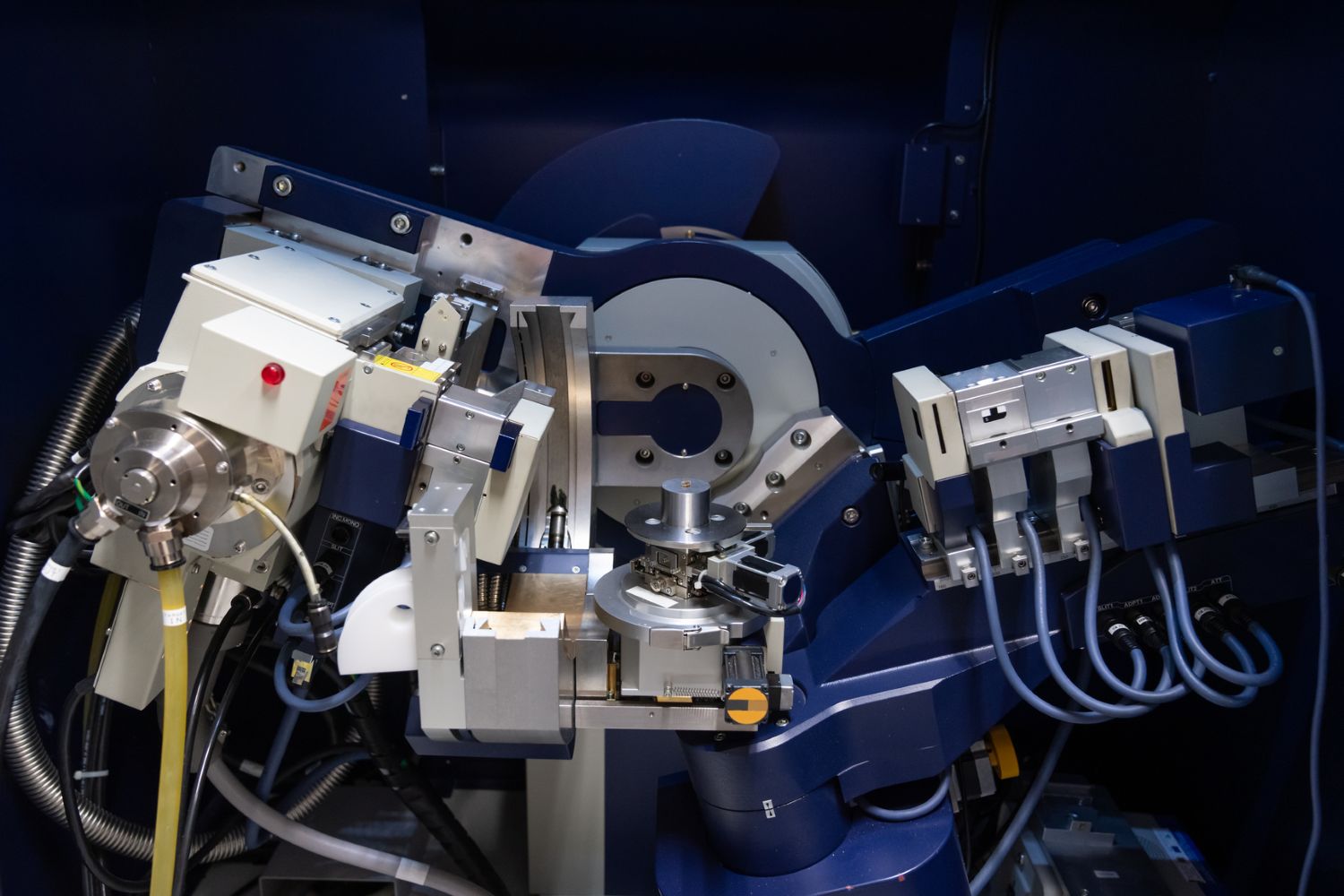
To gain a deeper understanding of the deposit, the Quadra Technical Services Team went above and beyond by conducting X-Ray Diffraction (XRD) analysis, providing insight into the material’s structure and formation mechanism.
While traditional coke is typically derived from hydrocarbons, XRD helped confirm that the black solid formed from severe thermal and oxidative degradation of triethylene glycol (TEG). When TEG is exposed to temperatures above its degradation threshold of approximately 404°F (206°C), the glycol molecules begin to crack, producing lower-molecular-weight compounds and organic acids. Continued overheating promotes polymerization and dehydrogenation reactions, creating increasingly complex carbon-rich structures that ultimately precipitate as a charcoal-like solid.
By analyzing the structural characteristics of the deposit, XRD helped distinguish whether the material was primarily an amorphous carbonaceous coke, a crystalline inorganic contaminant, or a combination of both. This level of understanding would not have been possible through elemental analysis alone.
The Quadra Difference: Going Beyond Standard Analysis
Elemental analysis told us what elements were present. XRD revealed what those elements had become. By taking the extra step to conduct XRD testing, the Quadra Technical Services Team confirmed the formation of coke-like deposits resulting from excessive thermal stress on TEG and provided valuable insight to help prevent future operational issues.
Contact us for lab testing support for your natural gas operations.